
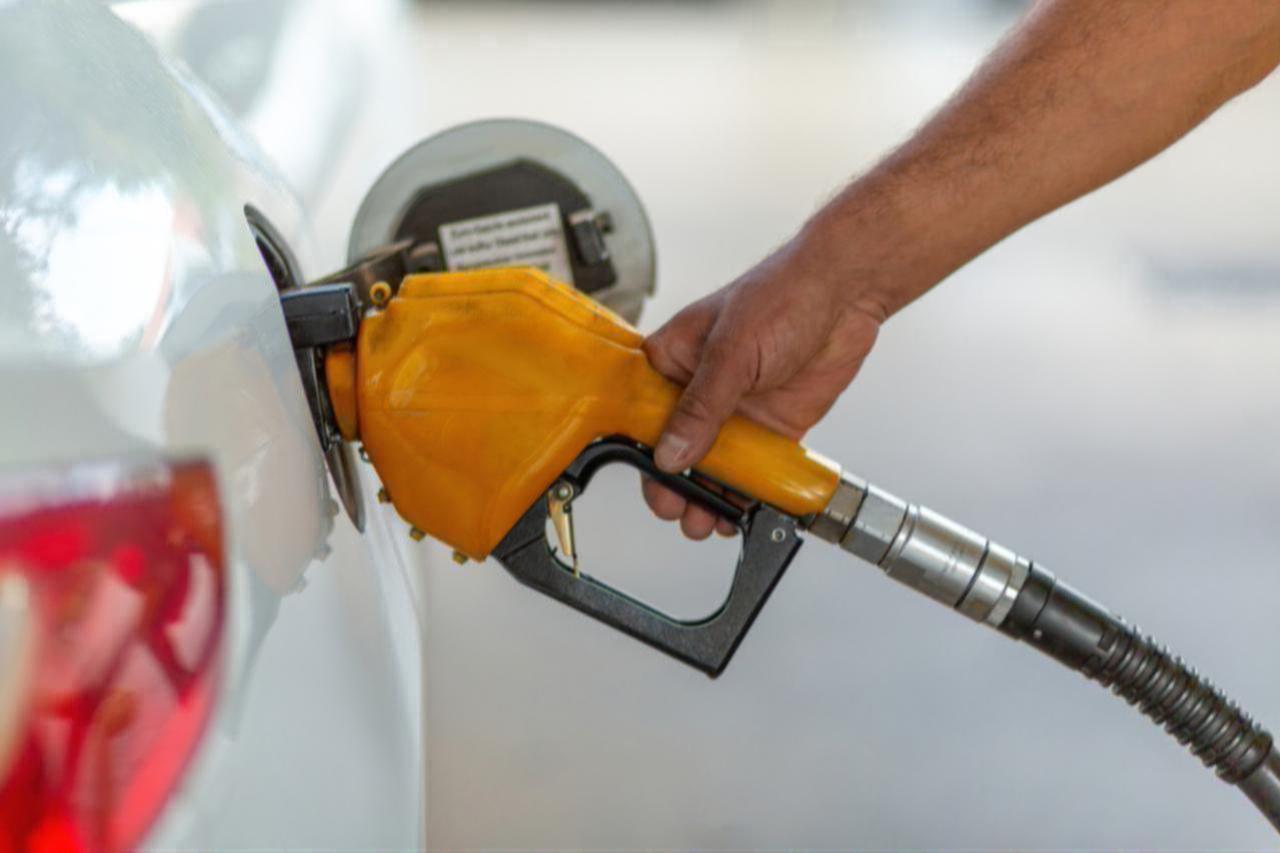
Türkiye is set for its record one-time gasoline price increase on Oct. 1, as the government's fuel-tax buffer will be fully phased out, drastically increasing the excise duty. The special consumption tax (SCT) on gasoline is currently ₺4.43 per liter and will rise to ₺14.83, adding ₺10.40 to the tax. The resulting value-added tax (KDV) increase will add another ₺2.08, bringing the total expected increase to ₺12.48 ($0.25) per liter.
As of Sept. 25, gasoline costs around ₺80.40 per liter on Istanbul's European side. If there are no further increases or discounts before Oct. 1, the planned hike is expected to push the price above ₺90 per liter.
The government reintroduced the mechanism, known as the sliding-scale fuel tax system, in March after discontinuing it in February 2022 to cushion consumers from fuel-price increases amid the U.S.-Iran war and the Strait of Hormuz crisis. Treasury and Finance Minister Mehmet Simsek said in May that the system cost the government ₺90 billion in its first two months and could reach around ₺600 billion ($12.3 billion) for the full year if the trend continued.
Türkiye is set for its record one-time gasoline price increase on Oct. 1, as the government's fuel-tax buffer will be fully phased out, drastically increasing the excise duty. The special consumption tax (SCT) on gasoline is currently ₺4.43 per liter and will rise to ₺14.83, adding ₺10.40 to the tax. The resulting value-added tax (KDV) increase will add another ₺2.08, bringing the total expected increase to ₺12.48 ($0.25) per liter.
As of Sept. 25, gasoline costs around ₺80.40 per liter on Istanbul's European side. If there are no further increases or discounts before Oct. 1, the planned hike is expected to push the price above ₺90 per liter.
The government reintroduced the mechanism, known as the sliding-scale fuel tax system, in March after discontinuing it in February 2022 to cushion consumers from fuel-price increases amid the U.S.-Iran war and the Strait of Hormuz crisis. Treasury and Finance Minister Mehmet Simsek said in May that the system cost the government ₺90 billion in its first two months and could reach around ₺600 billion ($12.3 billion) for the full year if the trend continued.
İLGİLİ HABERLERRELATED
Dolar/TL güne yatay başladı, merkez bankası kararı bekleniyor Dollar/TRY opens flat, central bank decision awaited
Sanayi üretimi ağustosta yüzde 3,2 arttı Industrial output rises 3.2% in August

Türkiye ticaretin geleceğini şekillendirmeye yardımcı oluyor: NIQ CEO'su Türkiye is helping shape future of commerce: NIQ CEO
Shadow of political risk and manipulation over Turkish markets Shadow of political risk and manipulation over Turkish markets
ÇOK OKUNANLARTRENDING

Altı Kutu, Reçete Yok: Charlotte, Kuzey Karolina, Amerika Birleşik Devletleri'ne Giden Adam İstanbul Havalimanı'nda Lyrica Yüzünden Tutuklandı Six Packs, No Prescription: Man Bound for Charlotte, North Carolina, United States Arrested at Istanbul Airport Over Lyrica

Russia reportedly withholds data on deported Ukrainian children, blocks returns