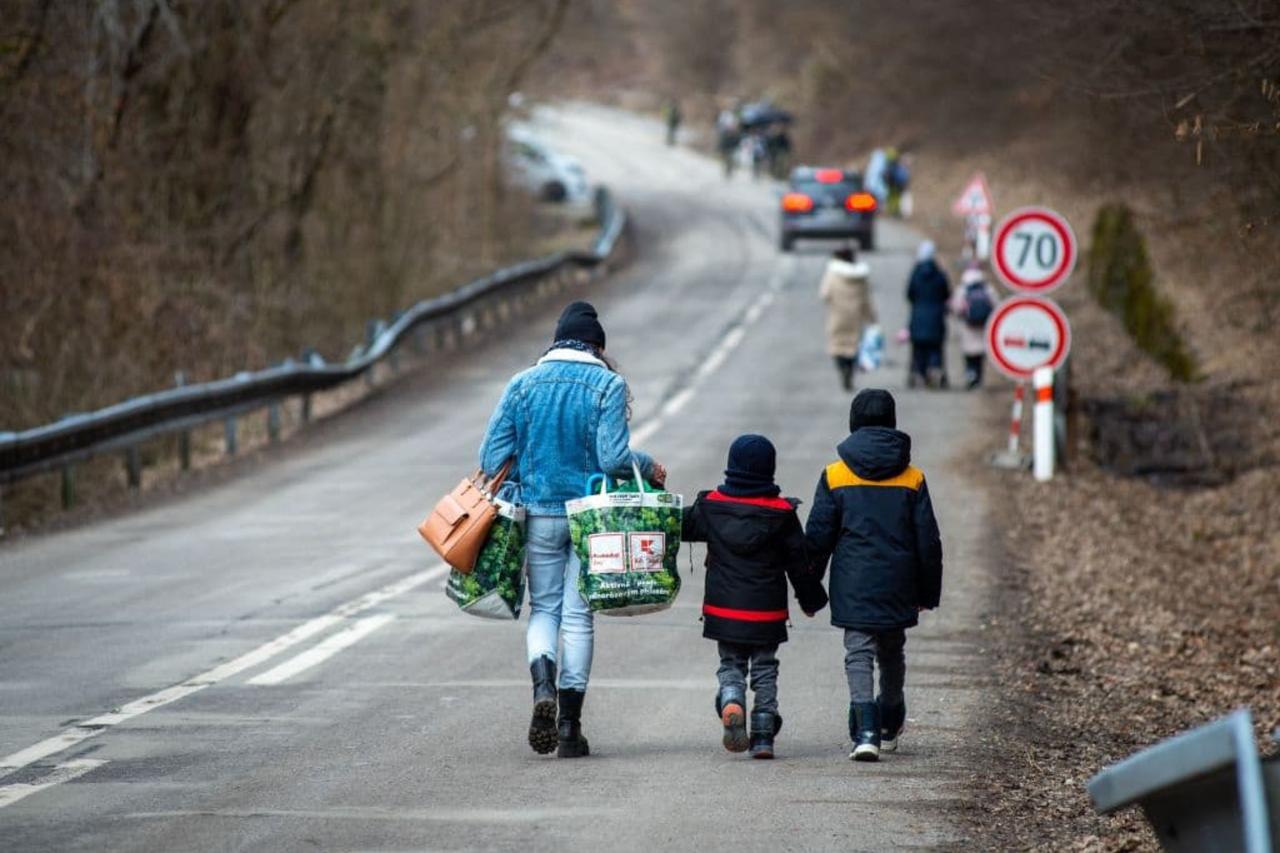
Russia provided limited information on only about 20 percent of the 339 Ukrainian children on a list Kyiv handed over in Istanbul, the head of Ukraine's Bring Kids Back UA initiative said.
"Russia itself most often blocks the return," Maksym Maksymov told the Interfax-Ukraine news agency, as Ukraine reports 20,651 verified cases of child deportation and forced transfer so far.
Maksymov said the real number of deported children is known only to Russia, and that time works against Kyiv, noting, "The younger the child at the time of deportation, the faster they lose memory of their own name, family and country."
The Ukrainian official claimed that Russia blocks returns by altering children's legal status, obstructing contact with families and preventing independent monitoring.
"Russia itself most often blocks the return. It changes the child's legal status, hinders contact with families, and does not allow independent monitoring. Documentation, guardianship issues, and security risks also slow down individual cases, but these are matters the Ukrainian side can largely resolve on its own," he said.
"A telling example is the list of 339 children that Ukraine handed to Russia during negotiations in Istanbul on June 2, 2025. These are children we have already identified. Russia provided limited information on only about 20% of them, and provided no information at all regarding more than 200 others, including children from Kherson Regional Children's Home," Maksymov added.
Russia even blocks relatives, he claimed, citing a mother of three deported children who was banned from entering Russia for 50 years. Her children were eventually returned through other channels.
Some children turn 18 while their cases are ongoing, and Russia uses this to complicate returns, Maksymov said, adding, "However, coming of age does not cancel the crime and does not deprive a person of the right to return home."
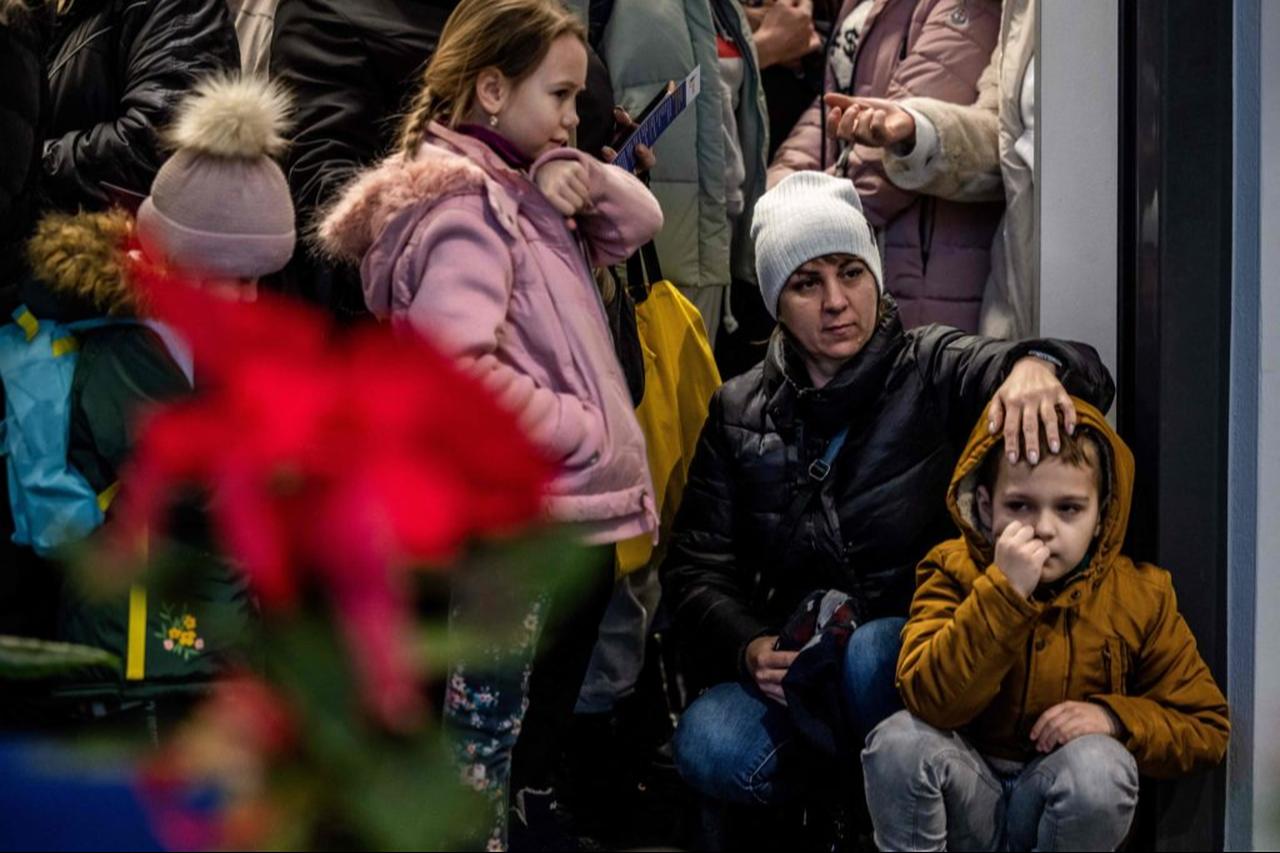
"As of September 18, 2026, Ukraine has verified 20,651 cases of the deportation and forced transfer of Ukrainian children. Each case has been checked by the Interagency Commission, and all have been entered into the Registry maintained by the Ministry of Justice," Maksymov said.
Verification requires confirming the child's identity, the circumstances of the transfer, the parents' status and the child's legal representative in Ukraine, he said.
"And this has to be done by cross-referencing several independent datasets, since we receive nothing from Russia. That is precisely why the number of verified cases is growing slowly," Maksymov added.
Ukraine has returned 2,616 children as of Sept. 21, including 673 this year, he said, adding the pace has increased, and Kyiv expects 2026 returns to exceed last year's total.
He cautioned against subtracting one figure from the other by saying, "It is the number of cases we have been able to confirm, not the number of children Russia has taken."
Kyiv does not disclose which regions the returned children came from, as details could endanger children, families and specialists and derail ongoing cases, Maksymov said.
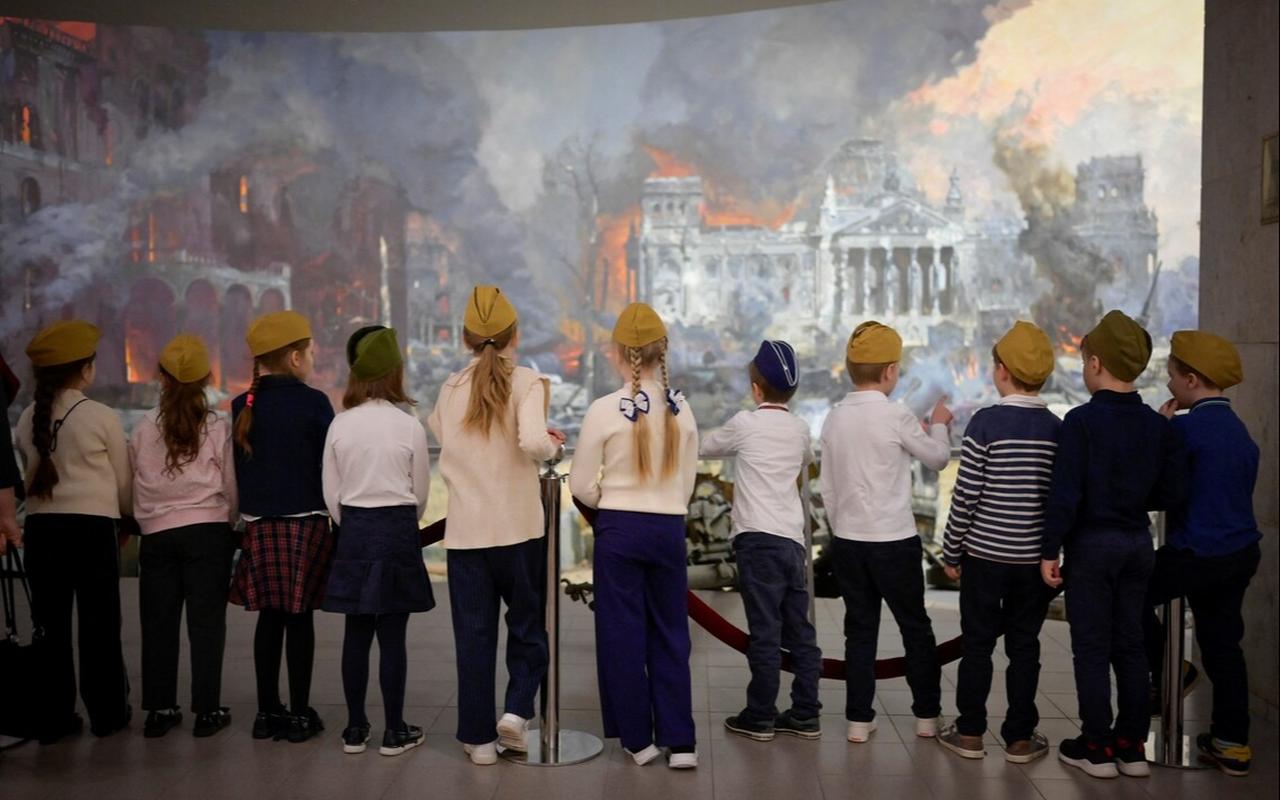
Children are moved from camps to orphanages and then to Russian foster families, guardianship or adoption, Maksymov said. Children have been taken to at least 21 Russian regions and over 200 facilities, according to Yale Humanitarian Research Lab data he cited.
Some children, especially the youngest, have their names and birth dates changed, he said. Ten-month-old Marharyta Prokopenko was taken from the Kherson home to Moscow, given a new name and birth date, and registered as the foster daughter of a State Duma deputy, Maksymov said.
Russian children's rights commissioner Maria Lvova-Belova confirmed in an Aug. 24, 2026, interview with Vedomosti that 380 children had been placed in Russian substitute families and are becoming Russian citizens, according to Maksymov.
She also acknowledged that children's faces in photos had begun to be blurred, he said.
Russia stopped publishing even summary statistics after the International Criminal Court's 2023 warrants, Maksymov said.
Deportations continue in smaller groups than in 2022-2023, the Ukrainian official said. He claimed that young people raised in annexed areas are joining the Russian army, noting, "But it is important to name the phenomenon precisely: this is not a free choice."
"International humanitarian law bars an occupying power from forcing residents of occupied territories to serve in its army," he added.
"Russia itself most often blocks the return," Maksym Maksymov told the Interfax-Ukraine news agency, as Ukraine reports 20,651 verified cases of child deportation and forced transfer so far.
Maksymov said the real number of deported children is known only to Russia, and that time works against Kyiv, noting, "The younger the child at the time of deportation, the faster they lose memory of their own name, family and country."
Russia gave no information on more than 200 children
The Ukrainian official claimed that Russia blocks returns by altering children's legal status, obstructing contact with families and preventing independent monitoring.
"Russia itself most often blocks the return. It changes the child's legal status, hinders contact with families, and does not allow independent monitoring. Documentation, guardianship issues, and security risks also slow down individual cases, but these are matters the Ukrainian side can largely resolve on its own," he said.
"A telling example is the list of 339 children that Ukraine handed to Russia during negotiations in Istanbul on June 2, 2025. These are children we have already identified. Russia provided limited information on only about 20% of them, and provided no information at all regarding more than 200 others, including children from Kherson Regional Children's Home," Maksymov added.
Russia even blocks relatives, he claimed, citing a mother of three deported children who was banned from entering Russia for 50 years. Her children were eventually returned through other channels.
Some children turn 18 while their cases are ongoing, and Russia uses this to complicate returns, Maksymov said, adding, "However, coming of age does not cancel the crime and does not deprive a person of the right to return home."
How many Ukrainian children has Kyiv verified and returned?
"As of September 18, 2026, Ukraine has verified 20,651 cases of the deportation and forced transfer of Ukrainian children. Each case has been checked by the Interagency Commission, and all have been entered into the Registry maintained by the Ministry of Justice," Maksymov said.
Verification requires confirming the child's identity, the circumstances of the transfer, the parents' status and the child's legal representative in Ukraine, he said.
"And this has to be done by cross-referencing several independent datasets, since we receive nothing from Russia. That is precisely why the number of verified cases is growing slowly," Maksymov added.
Ukraine has returned 2,616 children as of Sept. 21, including 673 this year, he said, adding the pace has increased, and Kyiv expects 2026 returns to exceed last year's total.
He cautioned against subtracting one figure from the other by saying, "It is the number of cases we have been able to confirm, not the number of children Russia has taken."
Kyiv does not disclose which regions the returned children came from, as details could endanger children, families and specialists and derail ongoing cases, Maksymov said.
Kyiv: Russia changes names and citizenship of deported Ukrainian children
Children are moved from camps to orphanages and then to Russian foster families, guardianship or adoption, Maksymov said. Children have been taken to at least 21 Russian regions and over 200 facilities, according to Yale Humanitarian Research Lab data he cited.
Some children, especially the youngest, have their names and birth dates changed, he said. Ten-month-old Marharyta Prokopenko was taken from the Kherson home to Moscow, given a new name and birth date, and registered as the foster daughter of a State Duma deputy, Maksymov said.
Russian children's rights commissioner Maria Lvova-Belova confirmed in an Aug. 24, 2026, interview with Vedomosti that 380 children had been placed in Russian substitute families and are becoming Russian citizens, according to Maksymov.
She also acknowledged that children's faces in photos had begun to be blurred, he said.
Russia stopped publishing even summary statistics after the International Criminal Court's 2023 warrants, Maksymov said.
Deportations continue in smaller groups than in 2022-2023, the Ukrainian official said. He claimed that young people raised in annexed areas are joining the Russian army, noting, "But it is important to name the phenomenon precisely: this is not a free choice."
"International humanitarian law bars an occupying power from forcing residents of occupied territories to serve in its army," he added.
İLGİLİ HABERLERRELATED
AB liderleri zirvede enerji güvenliğini görüşecek EU leaders to discuss energy security at summit
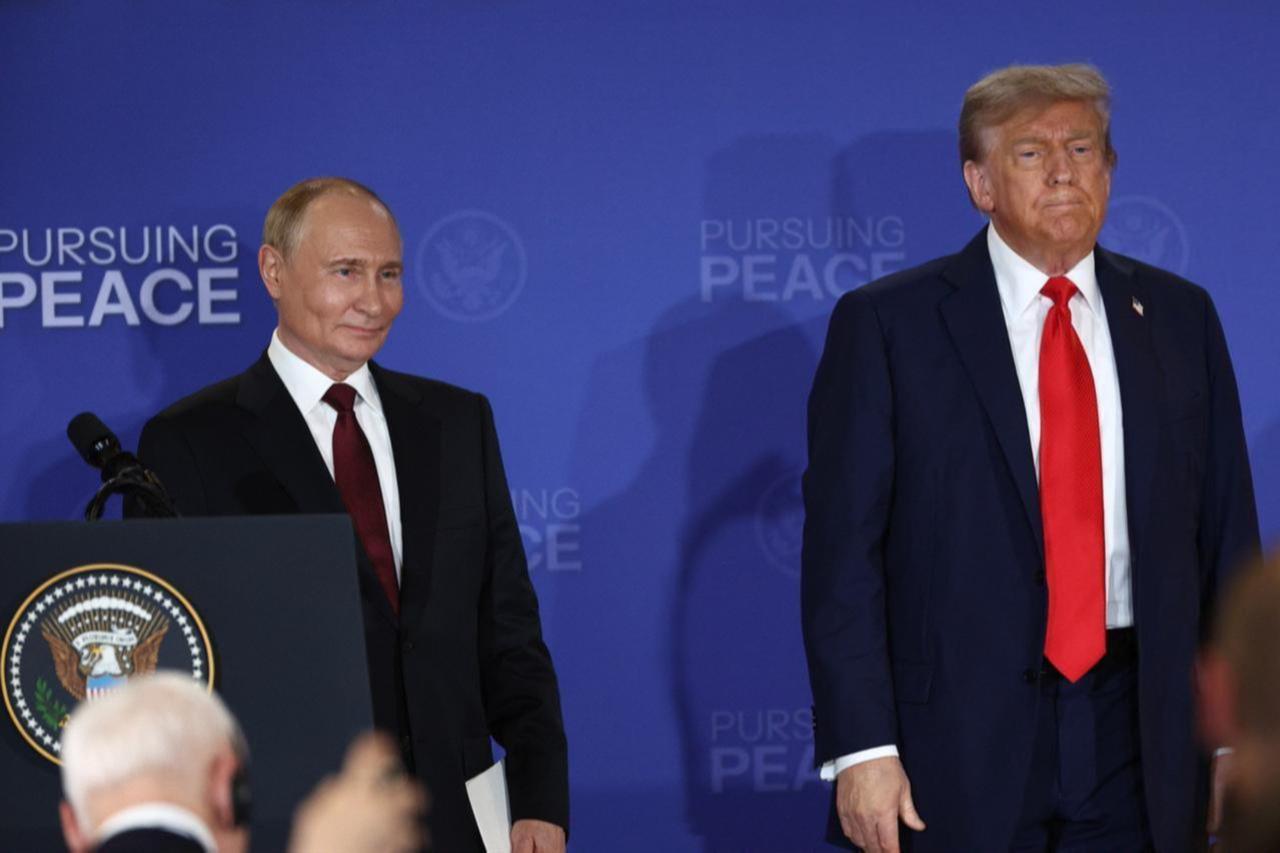
Trump invites Putin to December G20 summit in Miami

Iran calls on BRICS to block interference in legitimate trade
ÇOK OKUNANLARTRENDING
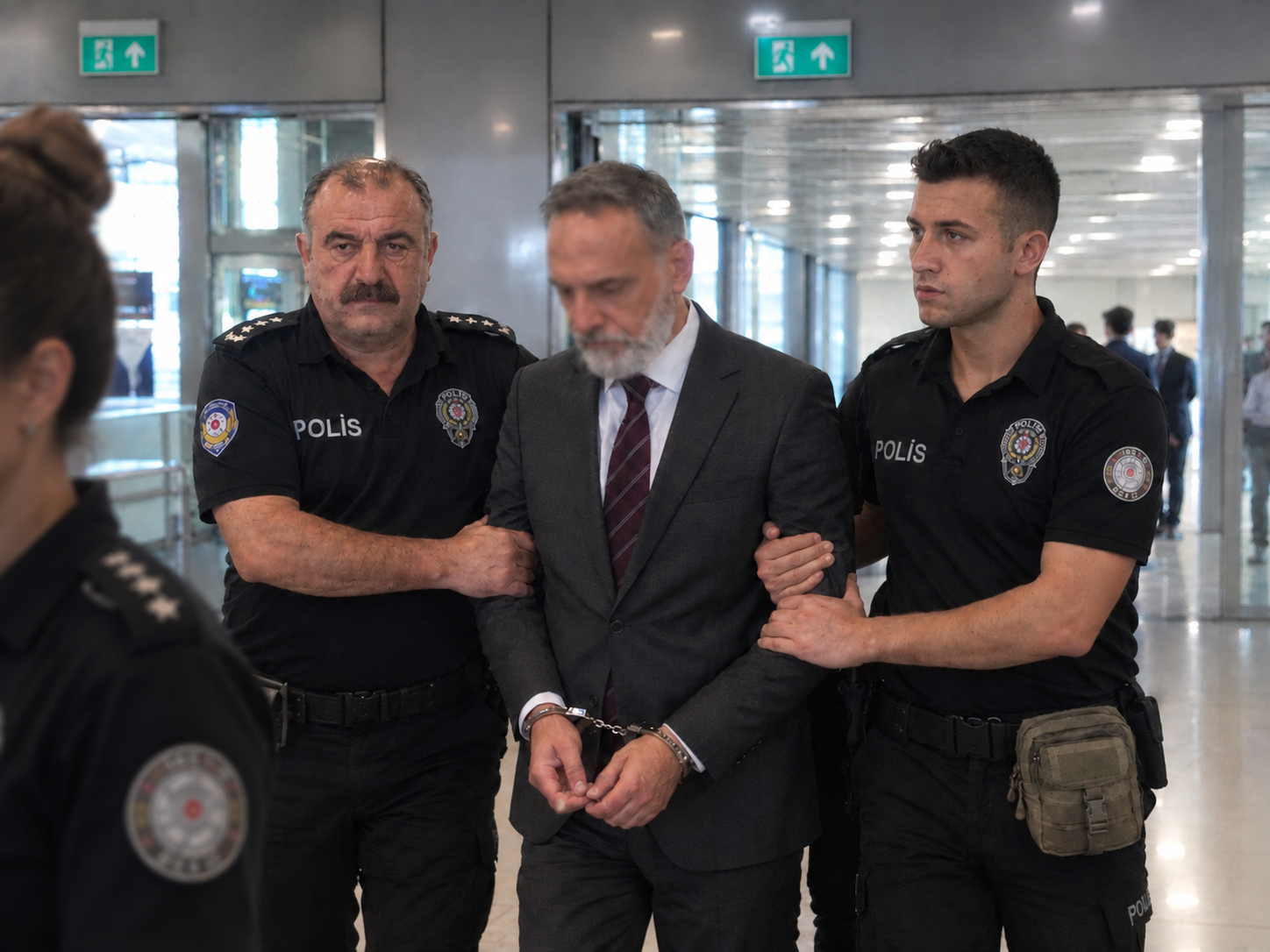
Altı Kutu, Reçete Yok: Charlotte, Kuzey Karolina, Amerika Birleşik Devletleri'ne Giden Adam İstanbul Havalimanı'nda Lyrica Yüzünden Tutuklandı Six Packs, No Prescription: Man Bound for Charlotte, North Carolina, United States Arrested at Istanbul Airport Over Lyrica
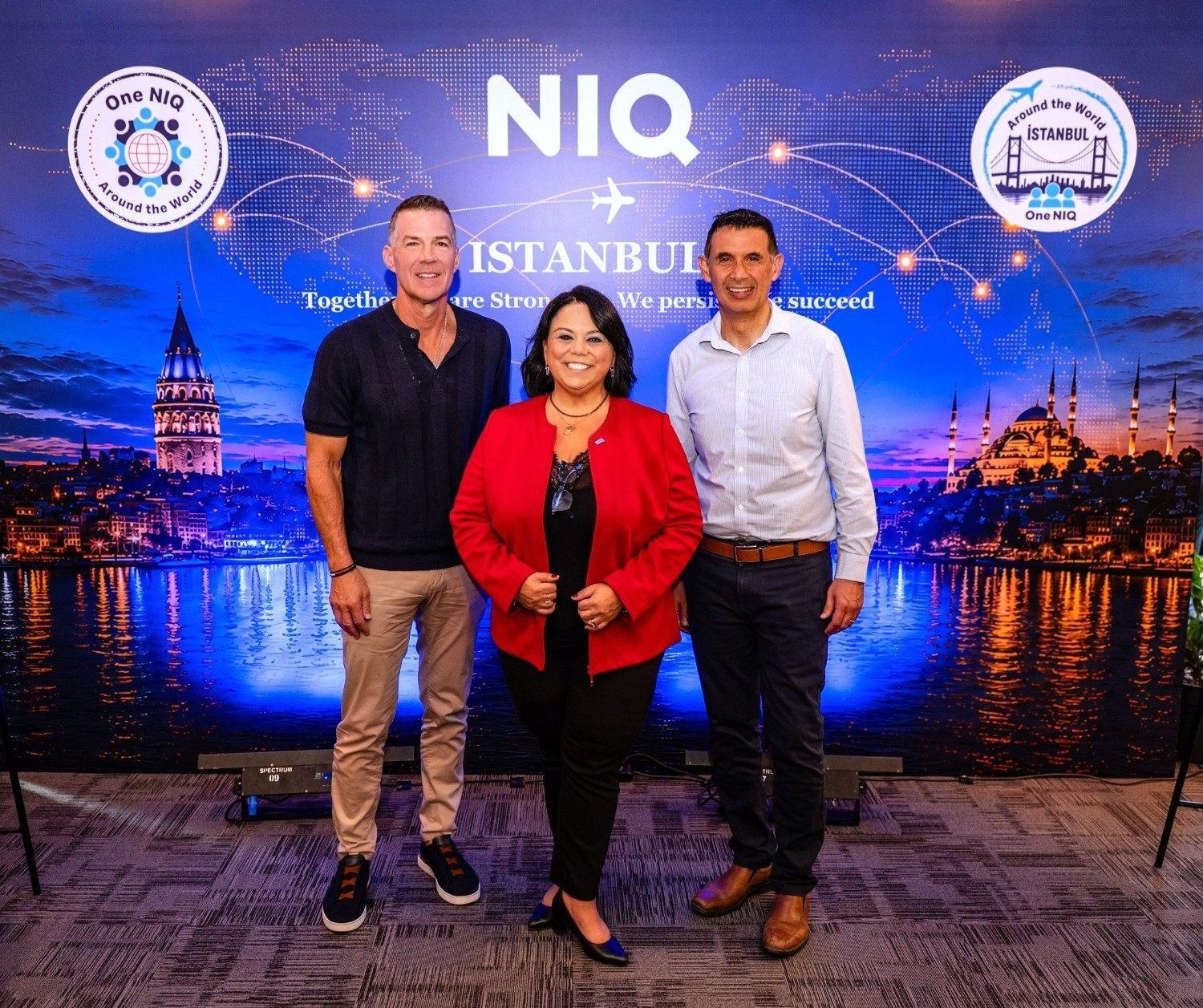
Türkiye ticaretin geleceğini şekillendirmeye yardımcı oluyor: NIQ CEO'su Türkiye is helping shape future of commerce: NIQ CEO