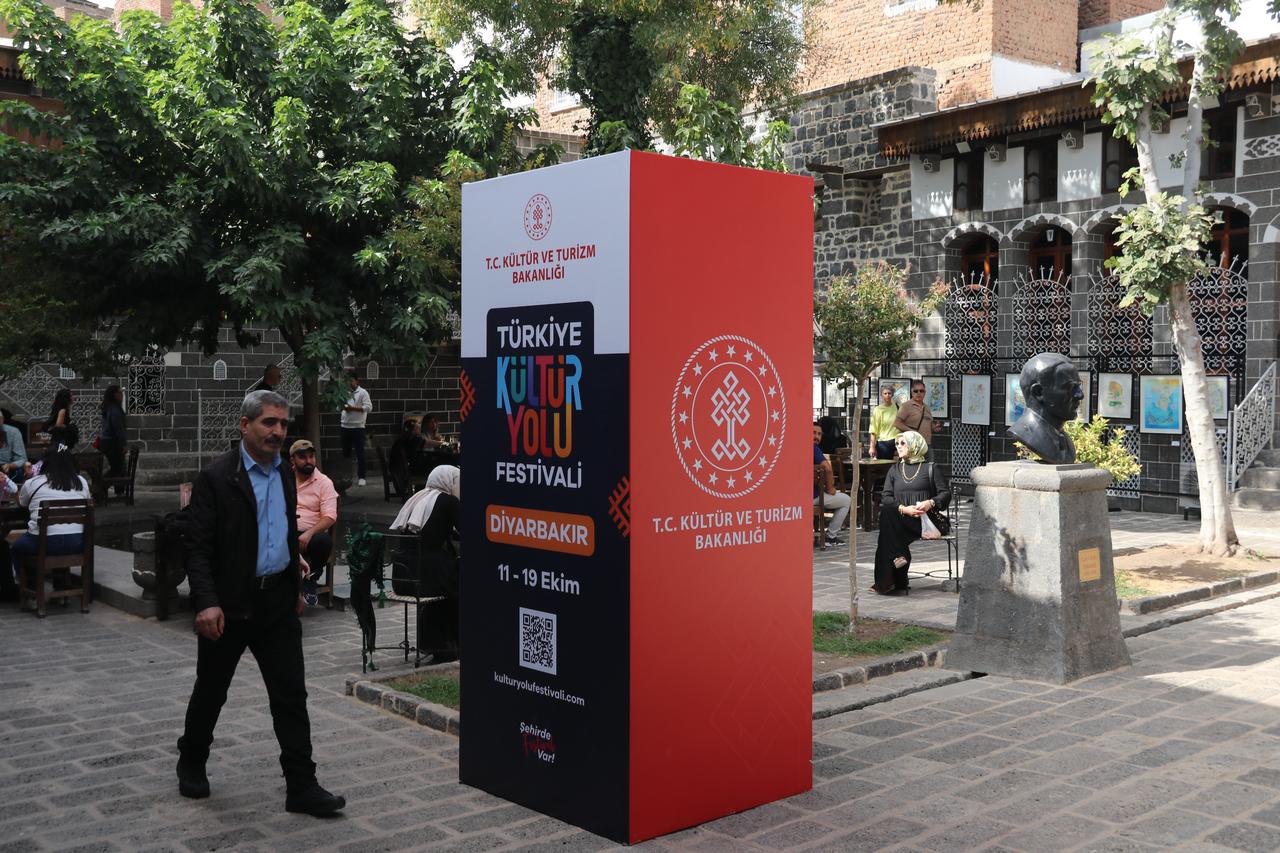
Diyarbakir, known for its layered history and diverse heritage, has become the 17th stop on the Türkiye Culture Route Festivals—a nationwide series organized by the Ministry of Culture and Tourism. The event, now in its fourth year in Diyarbakir, transforms the city into a vibrant center of music, exhibitions, theater, film screenings, gastronomy gatherings and children’s workshops spread across 51 venues.
Deputy Minister of Culture and Tourism Gokhan Yazgi said that what began five years ago as a single-city initiative has now expanded into a massive cultural movement covering 20 cities across Türkiye’s seven regions. He emphasized that the festival has evolved into "a bridge of culture and art connecting people, cities, and generations," strengthening unity while revitalizing domestic tourism and highlighting Diyarbakir’s historical and cultural identity.
Diyarbakir Governor Murat Zorluoglu noted that the city, once associated with unrest, now draws attention for its achievements in culture, art, and sports. "Today, Diyarbakir is no longer remembered for conflict or sensational events but for investment, cultural vitality, and creativity," he said, highlighting the role of such festivals in making the city more attractive and livable for both residents and visitors.
Diyarbakir, known for its layered history and diverse heritage, has become the 17th stop on the Türkiye Culture Route Festivals—a nationwide series organized by the Ministry of Culture and Tourism. The event, now in its fourth year in Diyarbakir, transforms the city into a vibrant center of music, exhibitions, theater, film screenings, gastronomy gatherings and children’s workshops spread across 51 venues.
Deputy Minister of Culture and Tourism Gokhan Yazgi said that what began five years ago as a single-city initiative has now expanded into a massive cultural movement covering 20 cities across Türkiye’s seven regions. He emphasized that the festival has evolved into "a bridge of culture and art connecting people, cities, and generations," strengthening unity while revitalizing domestic tourism and highlighting Diyarbakir’s historical and cultural identity.
Diyarbakir Governor Murat Zorluoglu noted that the city, once associated with unrest, now draws attention for its achievements in culture, art, and sports. "Today, Diyarbakir is no longer remembered for conflict or sensational events but for investment, cultural vitality, and creativity," he said, highlighting the role of such festivals in making the city more attractive and livable for both residents and visitors.
İLGİLİ HABERLERRELATED
İstanbul Film Festivali'nin tarihleri belli oldu Istanbul Film Festival dates announced
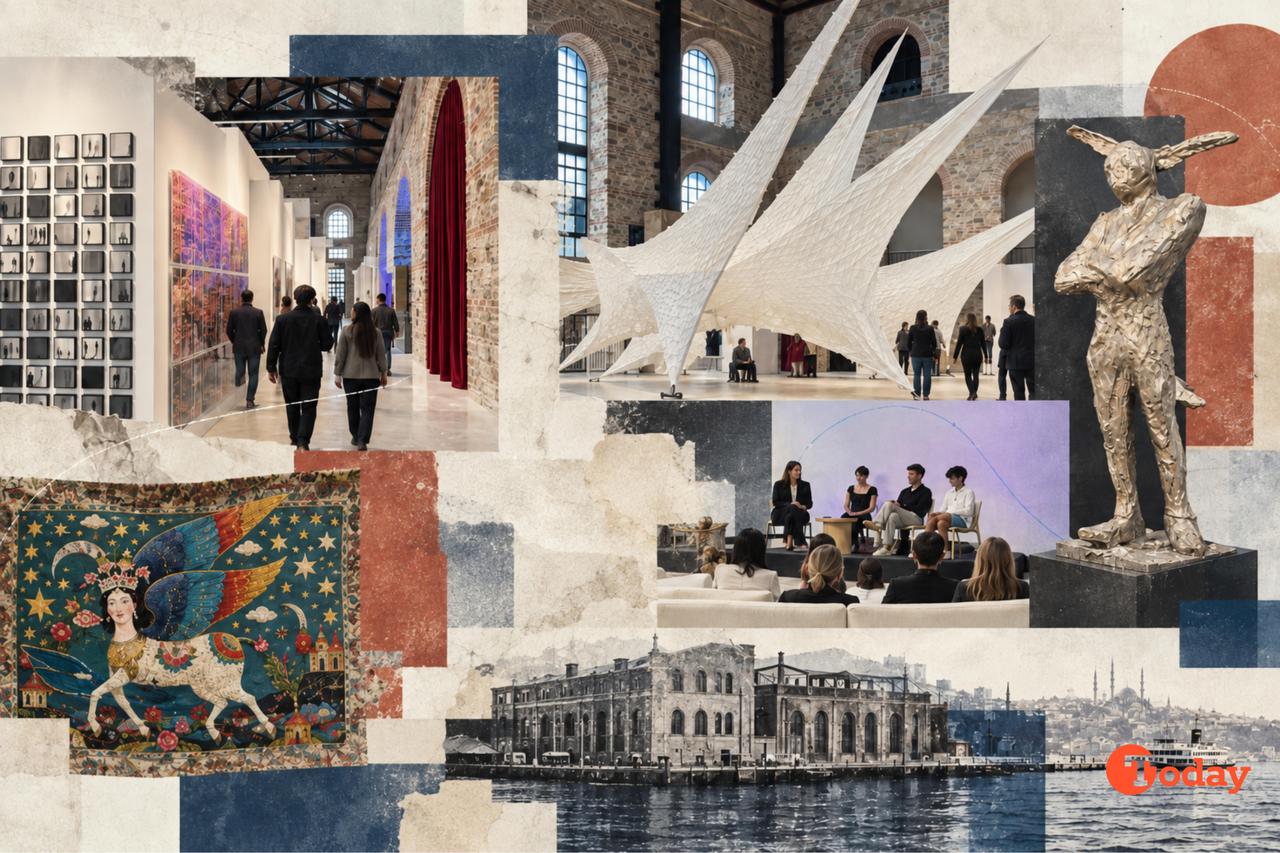
Contemporary Istanbul opens 21st edition with 70 galleries, 'Focus: Asia' program

Istanbul Theater Festival returns for 30th edition with 17 productions Istanbul Theater Festival returns for 30th edition with 17 productions
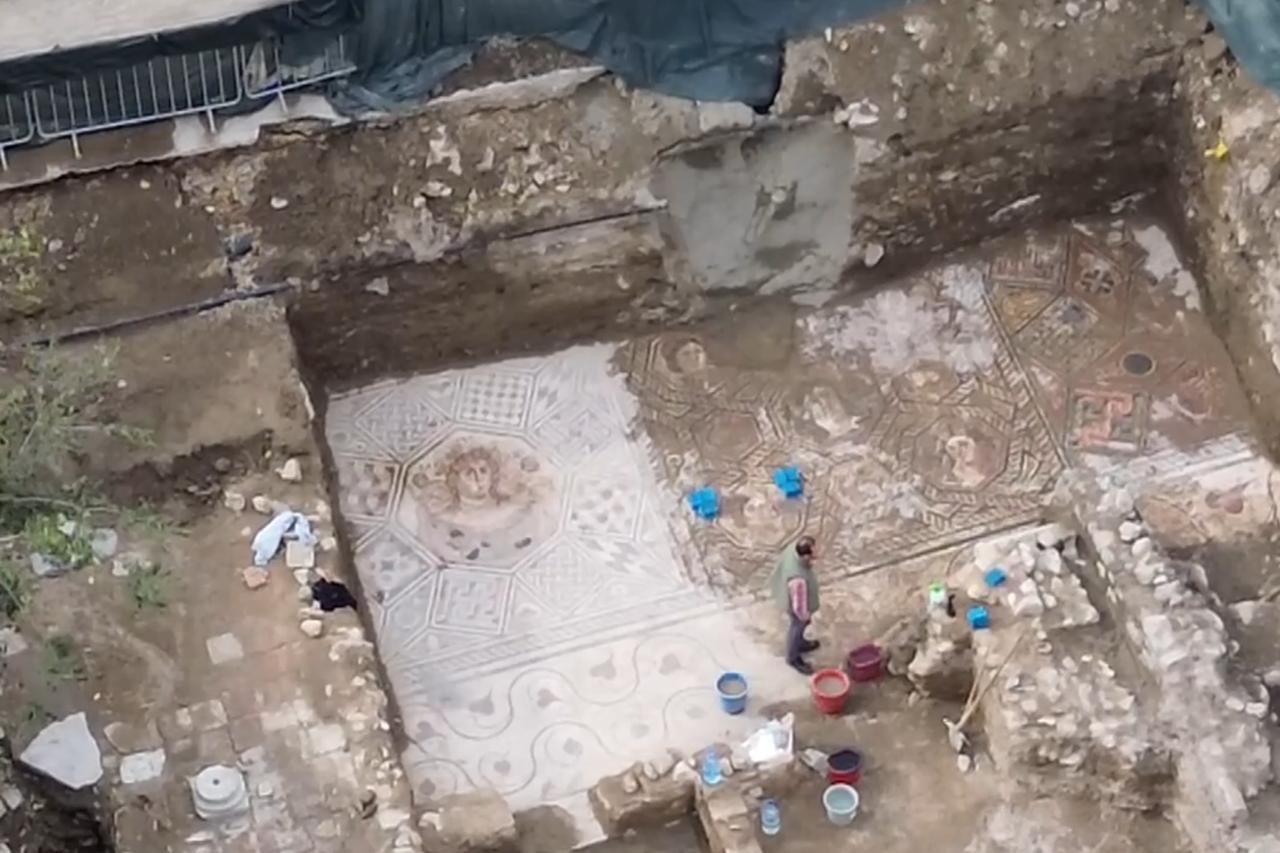
Iznik reveals 400-square-meter Roman mosaic as Pope Leo XIV visit fuels momentum Iznik reveals 400-square-meter Roman mosaic as Pope Leo XIV visit fuels momentum
ÇOK OKUNANLARTRENDING
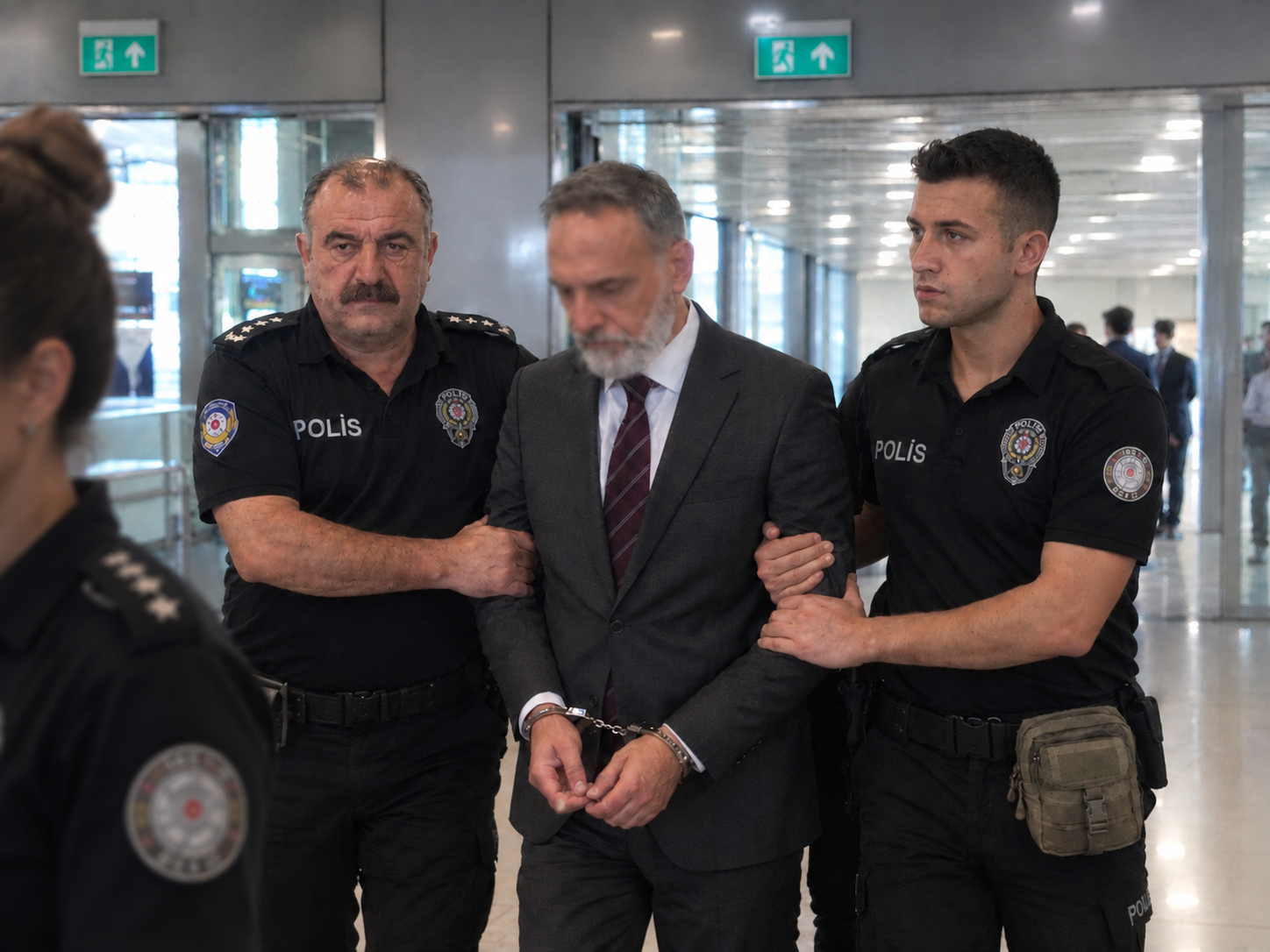
Altı Kutu, Reçete Yok: Charlotte, Kuzey Karolina, Amerika Birleşik Devletleri'ne Giden Adam İstanbul Havalimanı'nda Lyrica Yüzünden Tutuklandı Six Packs, No Prescription: Man Bound for Charlotte, North Carolina, United States Arrested at Istanbul Airport Over Lyrica
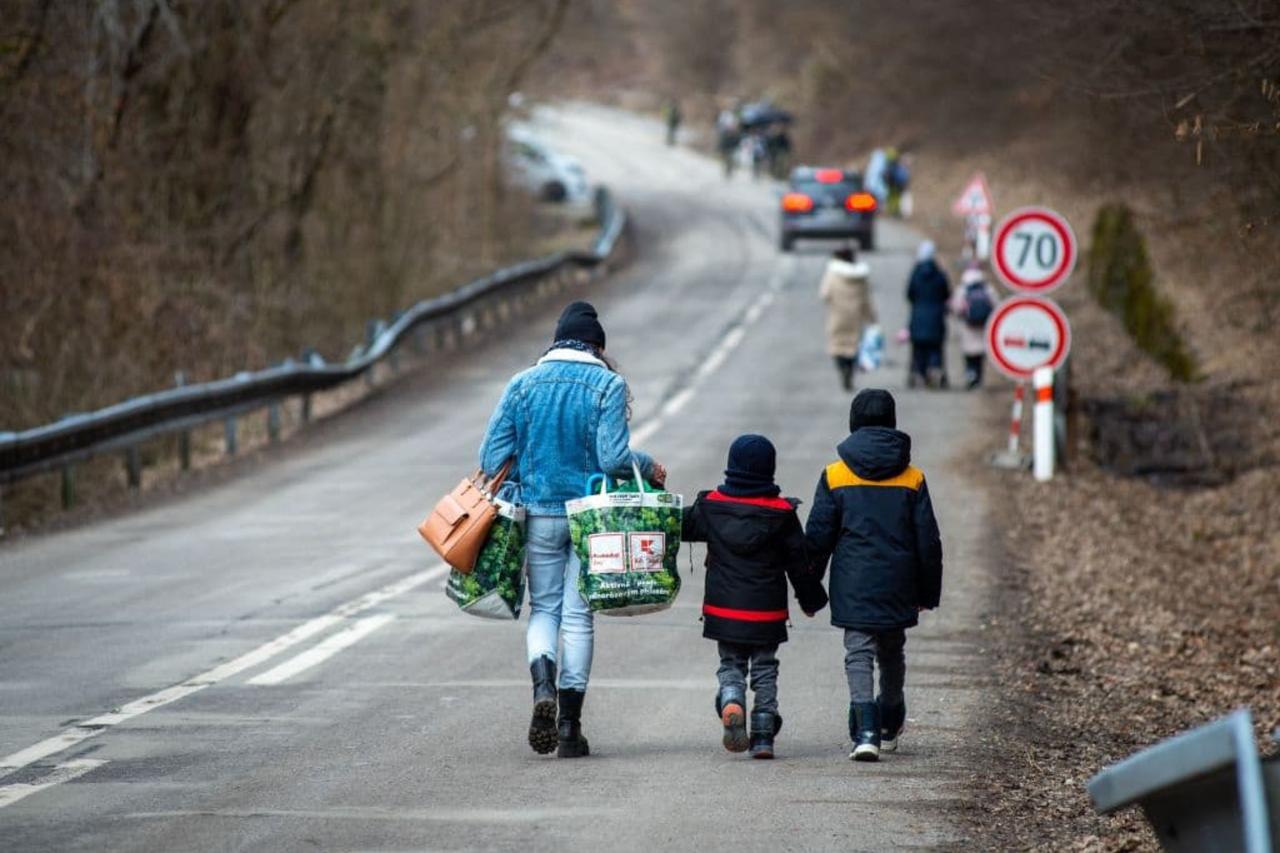
Russia reportedly withholds data on deported Ukrainian children, blocks returns